


As a die-hard Charlotte Mason homeschooling mom, I’ve spent the past few years deeply immersed in Charlotte Mason’s philosophy and figuring out how to make sense of it for our family’s homeschool.
At first, I didn’t think much about the role my cultural background should play in our homeschool. I did what most CM homeschoolers do: I chased after the beautiful, time-honored living books that everyone seemed to agree upon—the ones brimming with rich language, moral insight, and timeless ideas. And while many of these stories did indeed nourish my boys’ minds and imaginations, I began to notice a faint, persistent disconnect. Something was missing.
It finally dawned on me: we were reading wonderful stories… but not many of them felt like home.
Charlotte Mason urges us to begin with what she calls a child’s “first-born affinities”—the people, places, and interests that make up their home atmosphere. In Home Education, she writes about the importance of beginning geography with a child’s immediate surroundings—the “home scenery and interests [they] are acquainted with”—and working outward from there.
But in our case, we weren’t starting at home. We were starting a few doors down.
As I explored more voices within the broader Charlotte Mason community, particularly Amber O’Neal Johnston of Heritage Mom Blog and the beautifully curated titles on Stories of Color, I began to realize that honoring our own story—our Korean-American heritage—was not just “allowed” in a Charlotte Mason education. It was essential. I was convinced that Charlotte Mason herself would have told me this as I reflected on the principles behind so much of her wise counsel for education:
Start at home.
Home for us means that we are not just American, but Korean-American. My husband and I are the children of Korean immigrants, and our boys are third-generation Korean Americans. The values we hold dear, the lens through which we see the world, and the unspoken rhythms of our family life are profoundly shaped by this heritage.
When I was coming to this realization, I naturally started to incorporate more stories that had roots in Korean culture and history. This realization has unlocked a whole new world of learning, not just for my children, but for myself personally, as I unfortunately had very little conscious exposure to the study of my own heritage. Now, we read these stories as a significant step towards a deep understanding of our place and connection in this world.
And the truth is, there is still a big gap when it comes to Korean and Korean American stories written in English, which I find quite understandable. But slowly and surely, beautiful books are emerging—books that I’m incredibly grateful for. Still, the Charlotte Mason in me has made me somewhat selective about which ones I add to our family’s shelves.
In short, I aim for longer shelf-life. And I’ve observed that not every culturally themed book carries the depth I’m looking for. Some feel one-dimensional, centering around a single concept like Kimchi, and I think it would be difficult to call it a “rich” story beyond one or two living ideas. While those stories have their place and can be beautiful entry points, I find myself drawn to books that carry multiple “living ideas”—stories that stir the moral imagination, evoke wonder, and invite reflection long after the last page.
It happens that many of the titles I treasure most are either Korean folktales or books based on historical events. They tell stories of filial piety, sacrifice, perseverance, and compassion. They open the door to meaningful conversations about the values that the Korean people uphold. They connect the past with the present. And most of all, they make my boys think and feel deeply as fellow Koreans, discovering the roots of their own histories.
As Charlotte Mason herself wrote:
“We cannot live sanely unless we know that other peoples are as we are with a difference, that their history is as ours, with a difference, that they too have been represented by their poets and their artists, that they too have their literature and their national life.”
Charlotte Mason, Volume 6: Towards a Philosophy of Education
I want my children to grow up knowing not only the classics of Western and European literature, but also the stories of their own people—their own poets, artists, and heroes. I want them to know that their heritage matters. That their story is worth telling.
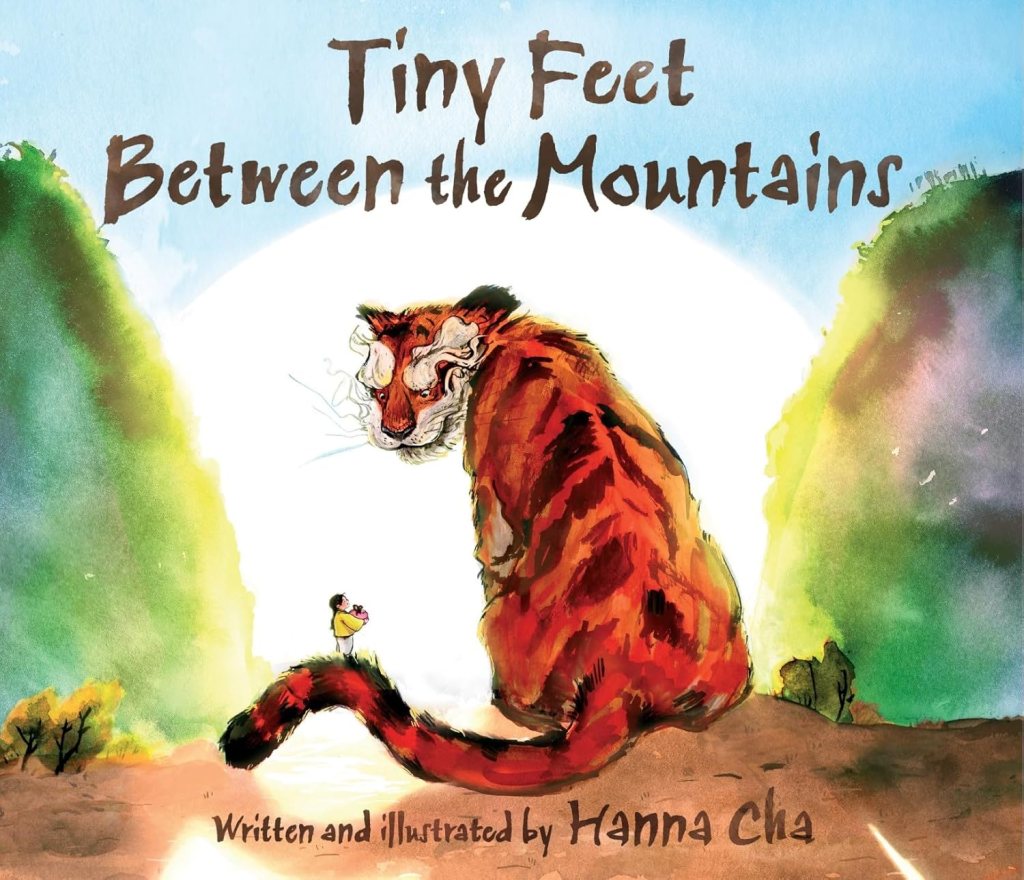
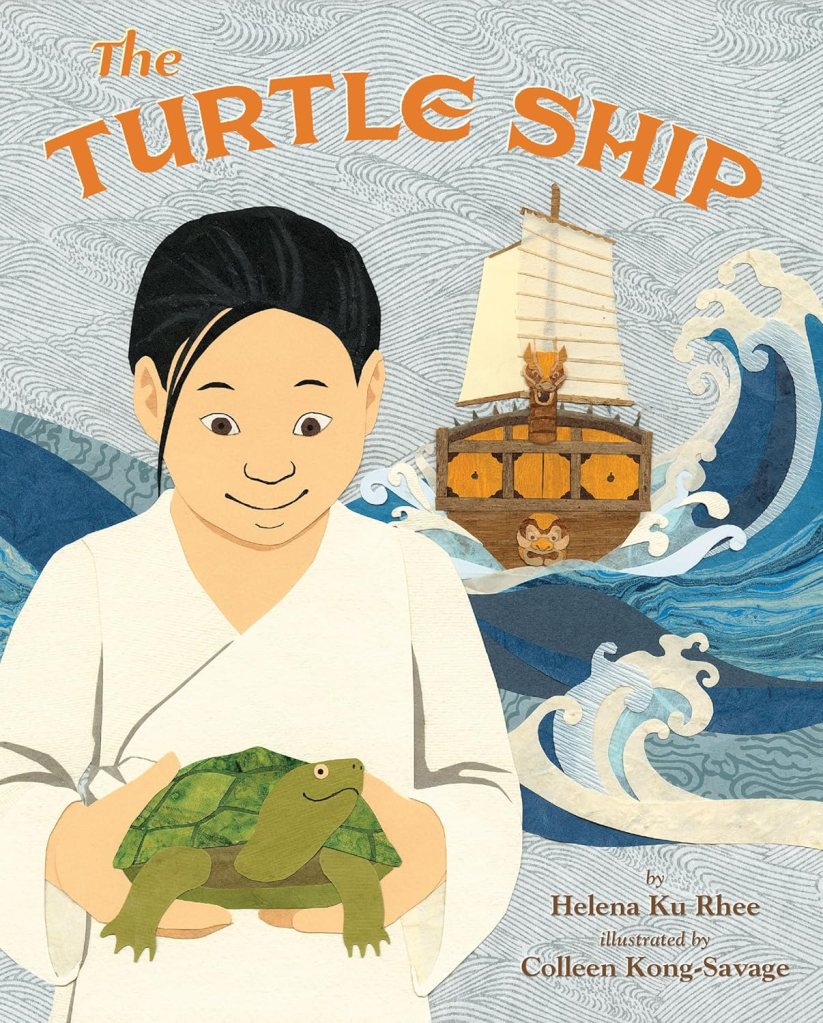
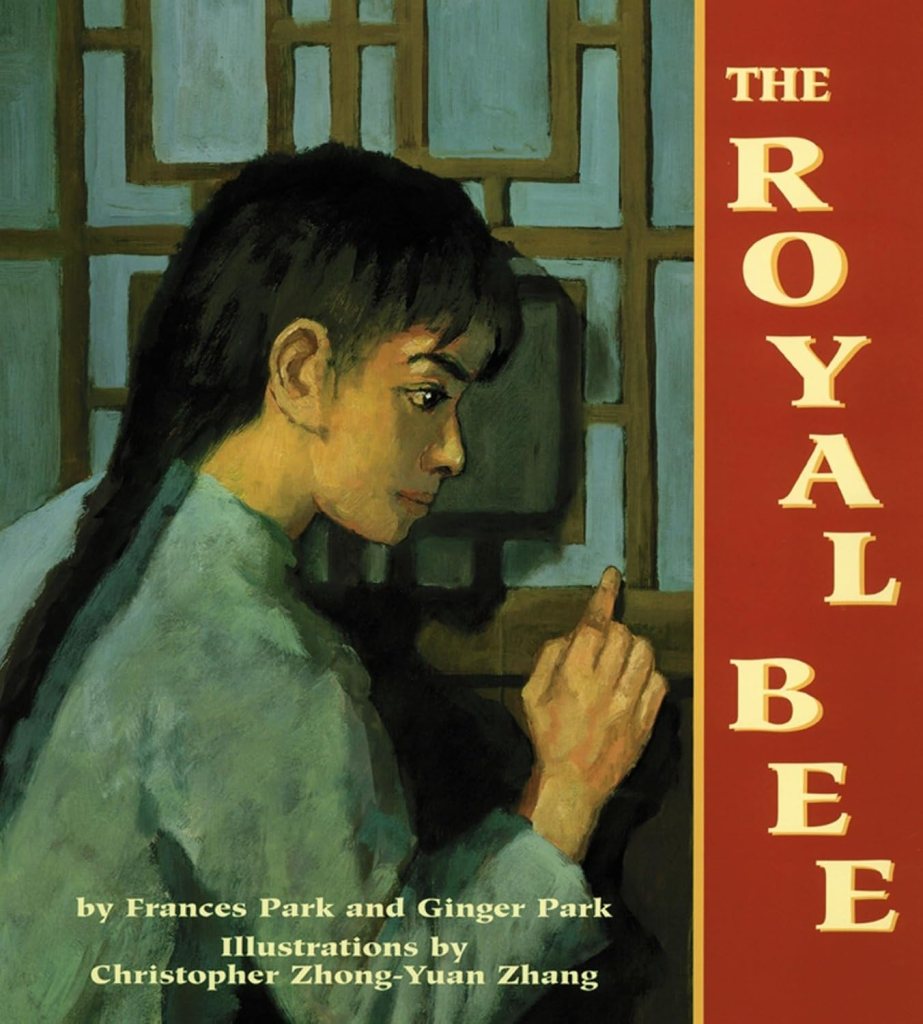
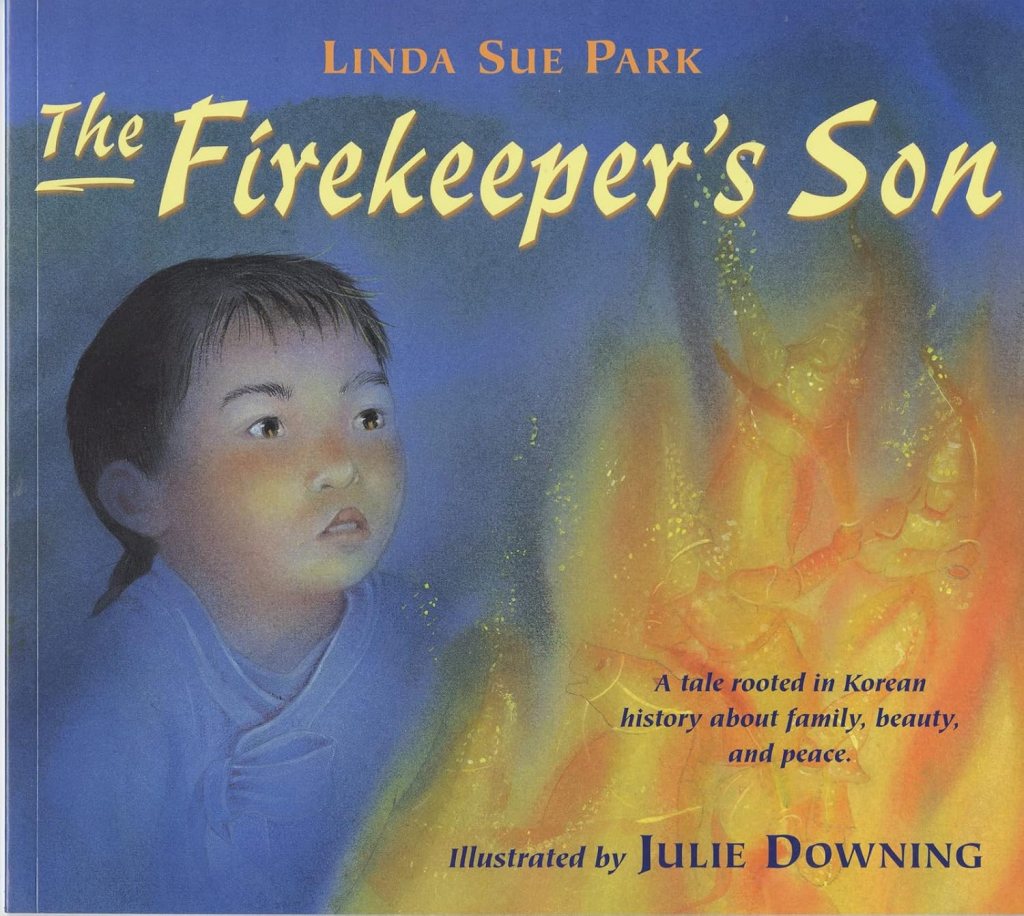
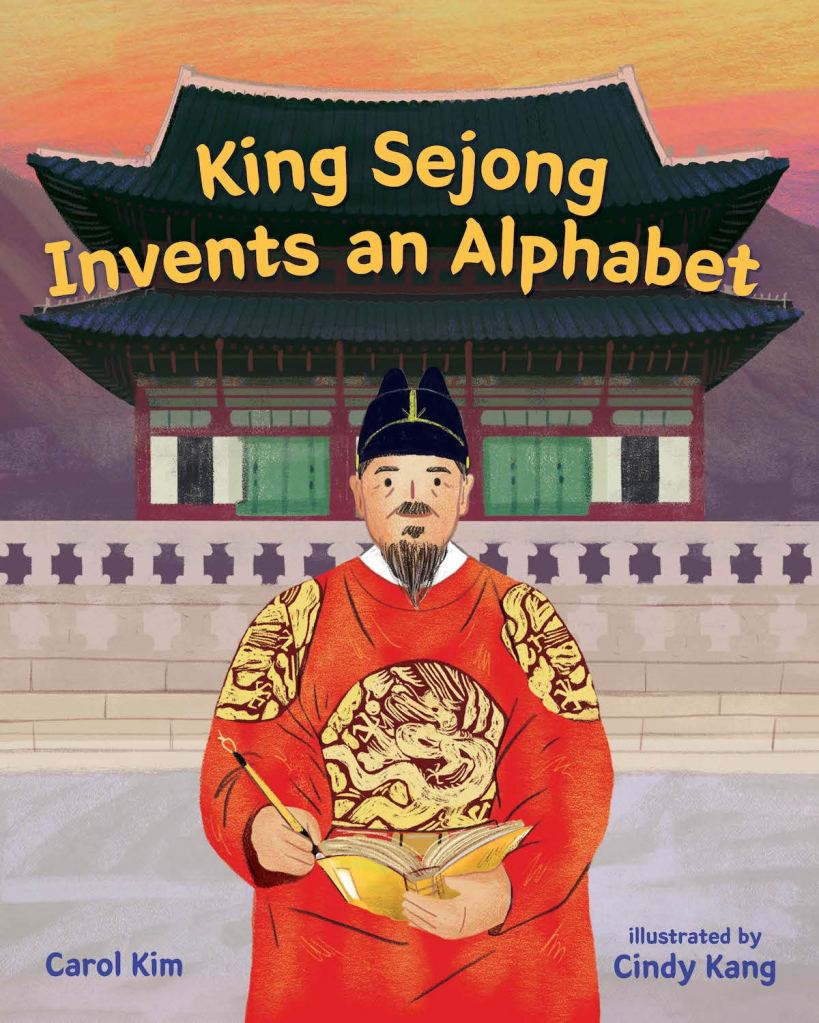
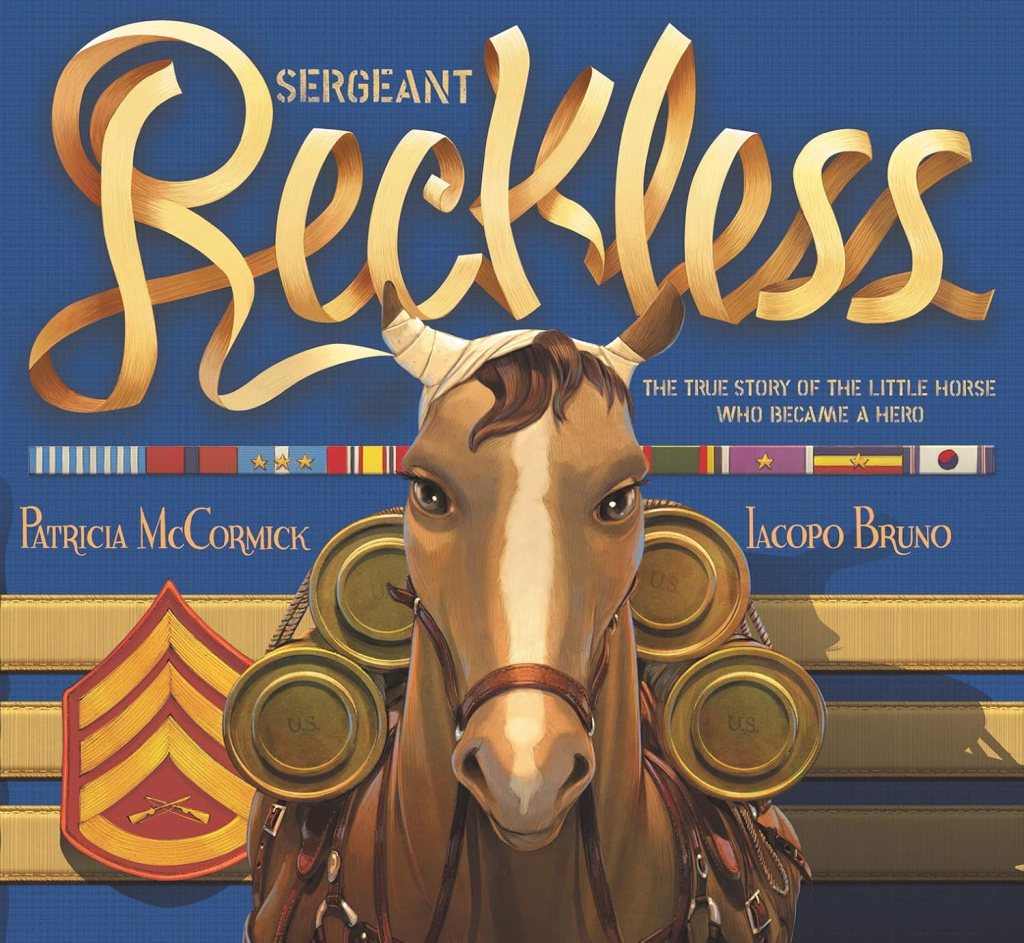
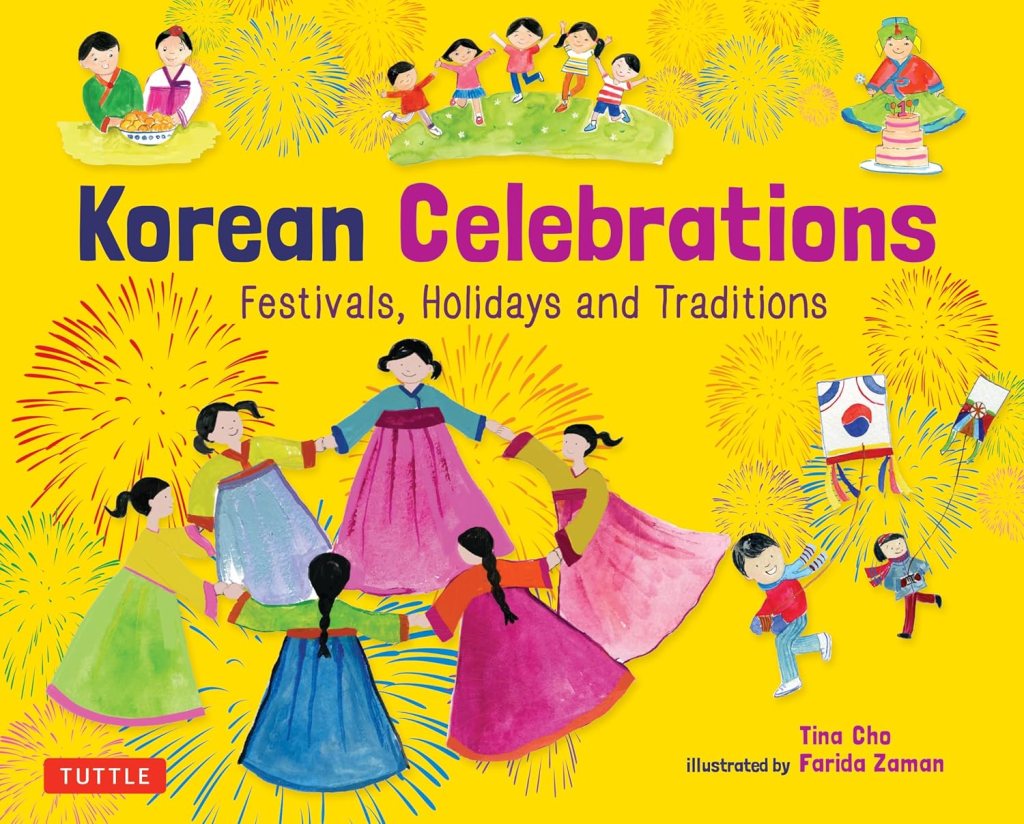
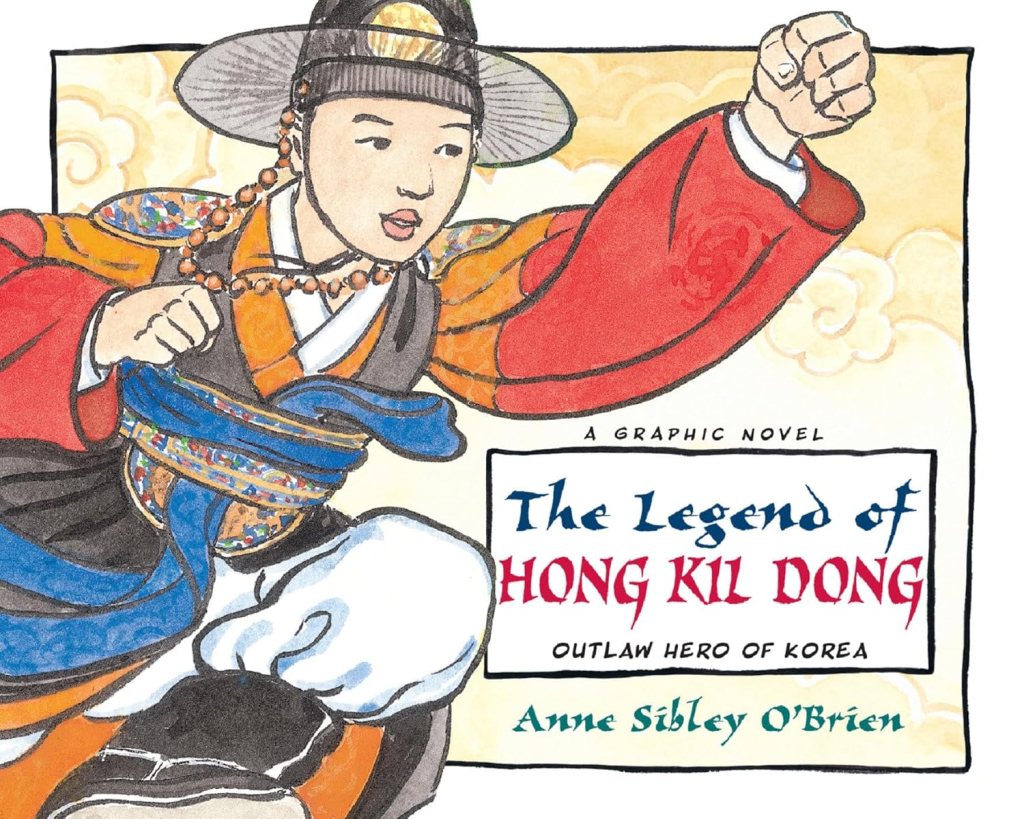
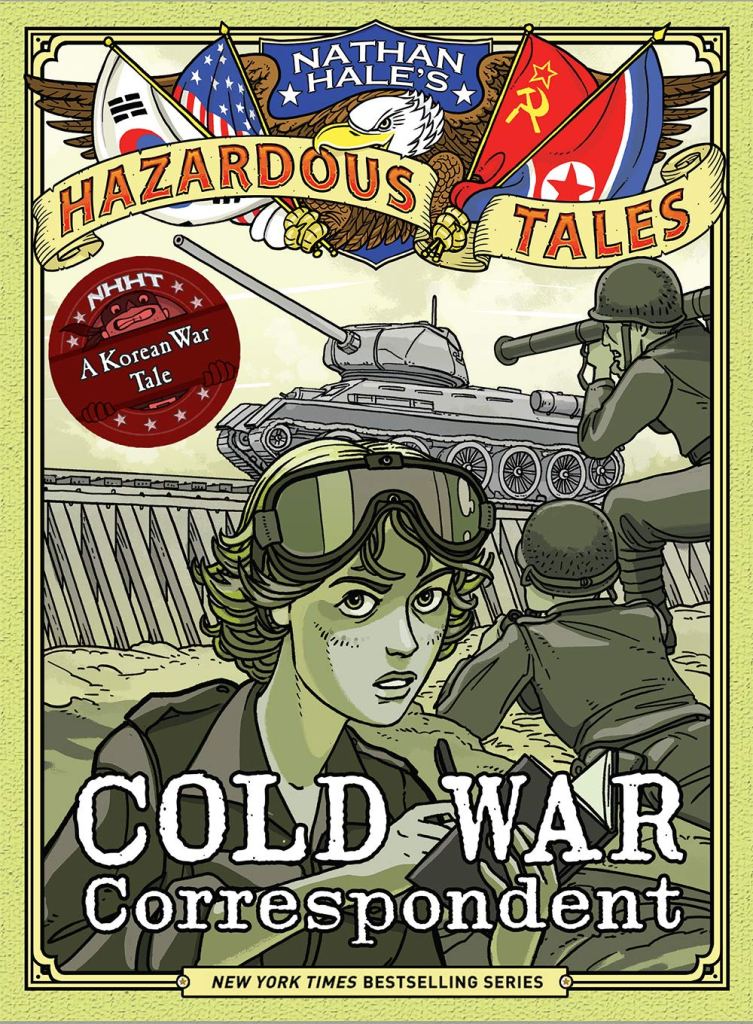
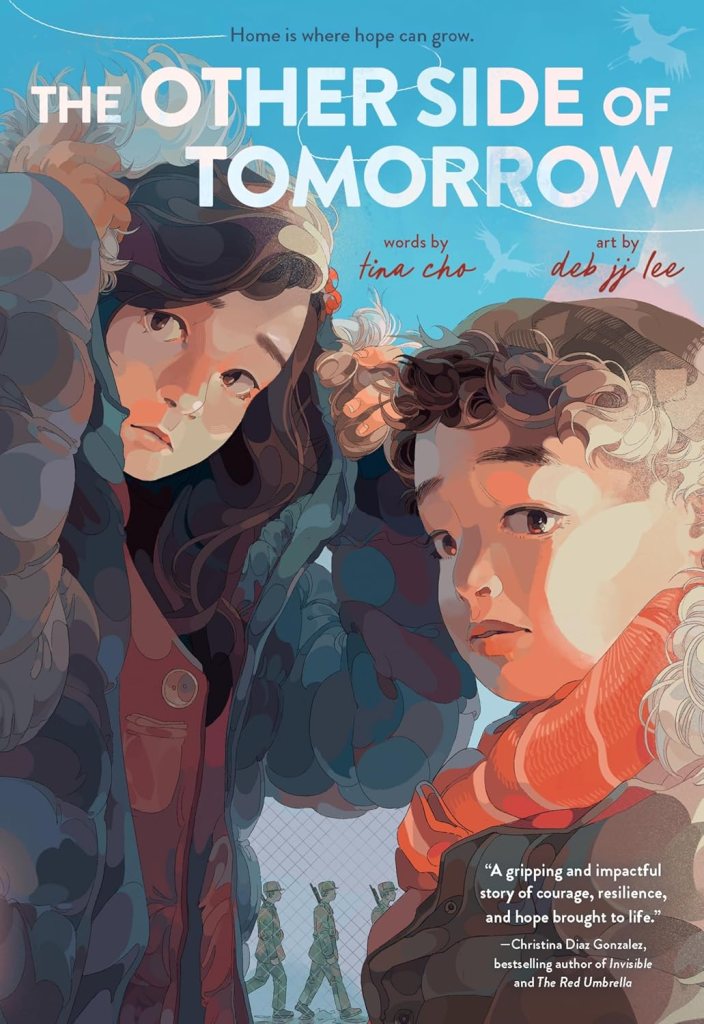
So in honor of Asian American and Pacific Islander Heritage Month, I’ve curated a list of our favorite Korean and Korean American children’s books that have earned a permanent place in our home. Whether you’re Korean or simply curious to learn about what’s going on a few doors down, I hope you’ll find something here that enriches your own home library.
Your friend and advocate,
Lillian Kim, Creator of LivingwithCharlotte.com
P.S. Check out the fun Instagram Reel I created showcasing these books!







 Blog for LivingwithCharlotte.com
Leave a comment